What You’ll Learn
- How brand colors shape the identity of fashion startups in a competitive market
- The most relevant color trends being used to build brand recognition
- How strategic fashion branding through color creates lasting impact
Introduction
In the crowded world of fashion startups, standing out starts with what people see first—your colors. A strong color palette speaks for your brand before you do. If you’re building a new label as a designer, founder, or part of a branding team, you’ll want to stick around for this one.
Here, we’ll look at how smart use of brand colors is helping startups build bold, memorable identities through intentional fashion branding and well-researched color trends.
Earthy Tones Reflecting Conscious Fashion
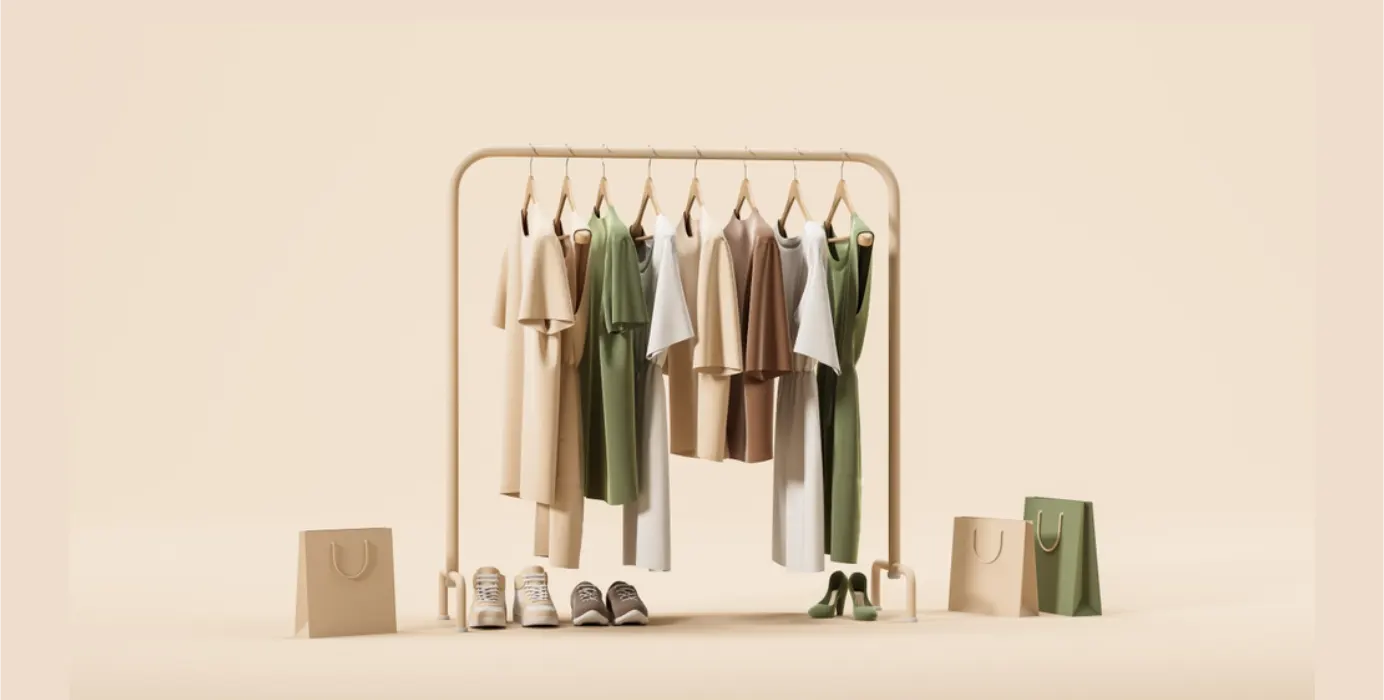
Warm neutrals, olive greens, and rich browns are gaining popularity among startups aiming for a grounded, ethical image. These brand colors connect emotionally with an audience that values sustainability. In current color trends, earthy tones aren’t just about being “natural”—they communicate calm, trust, and authenticity. Many new fashion labels use them to show their commitment to slower, more thoughtful production methods, aligning their fashion branding with mindful consumer values.
Monochrome Palettes That Signal Minimalism
Minimalist brands often opt for black, white, and grey to showcase elegance and timelessness. This kind of palette works well for startups with a modern or luxury focus. It’s not flashy, but it’s powerful. These brand colors are easy to apply consistently across packaging, websites, and lookbooks. In fact, this approach continues to trend because it supports clean, scalable fashion branding without distraction.
Bold and Bright for Instant Recognition
Bright oranges, electric blues, and vibrant magentas are part of a rising movement among younger fashion startups. These energetic tones stand out immediately—perfect for social media-heavy launches. This route in color trends screams confidence and creativity. Using bold brand colors tells your audience that you’re not afraid to be different, which is often a valuable message in early-stage fashion branding.
Pastels That Feel Soft but Strategic
Pastels like lavender, peach, and dusty blue continue to make their way into digital storefronts and product tags. These shades strike a balance between playful and approachable. They’re especially popular in lifestyle fashion branding where accessibility and emotional connection matter. Startups often use pastels to appeal to a younger demographic while still maintaining a polished look, keeping their brand colors gentle but consistent.
Culturally Rooted Color Palettes
Startups that draw from regional influences—textiles, traditions, and landscapes—are finding strong storytelling power in their palettes. Think deep indigos inspired by Indian denim crafts or warm terracottas from Middle Eastern aesthetics. These color trends support not only visual uniqueness but also depth in fashion branding, helping newer brands connect more meaningfully with their audience.
Conclusion
Color isn’t just decoration, it’s strategy. Through smart use of brand colors, emerging fashion labels are crafting clearer, stronger identities. This blog has spotlighted how different color trends can support brand values, target the right audience, and enhance overall fashion branding.
What really makes these choices work is the thought behind them. At the end of the day, it’s less about chasing every trend and more about picking a palette that actually says something about who you are, what you stand for, and the impression you want to leave behind.

 Previous